


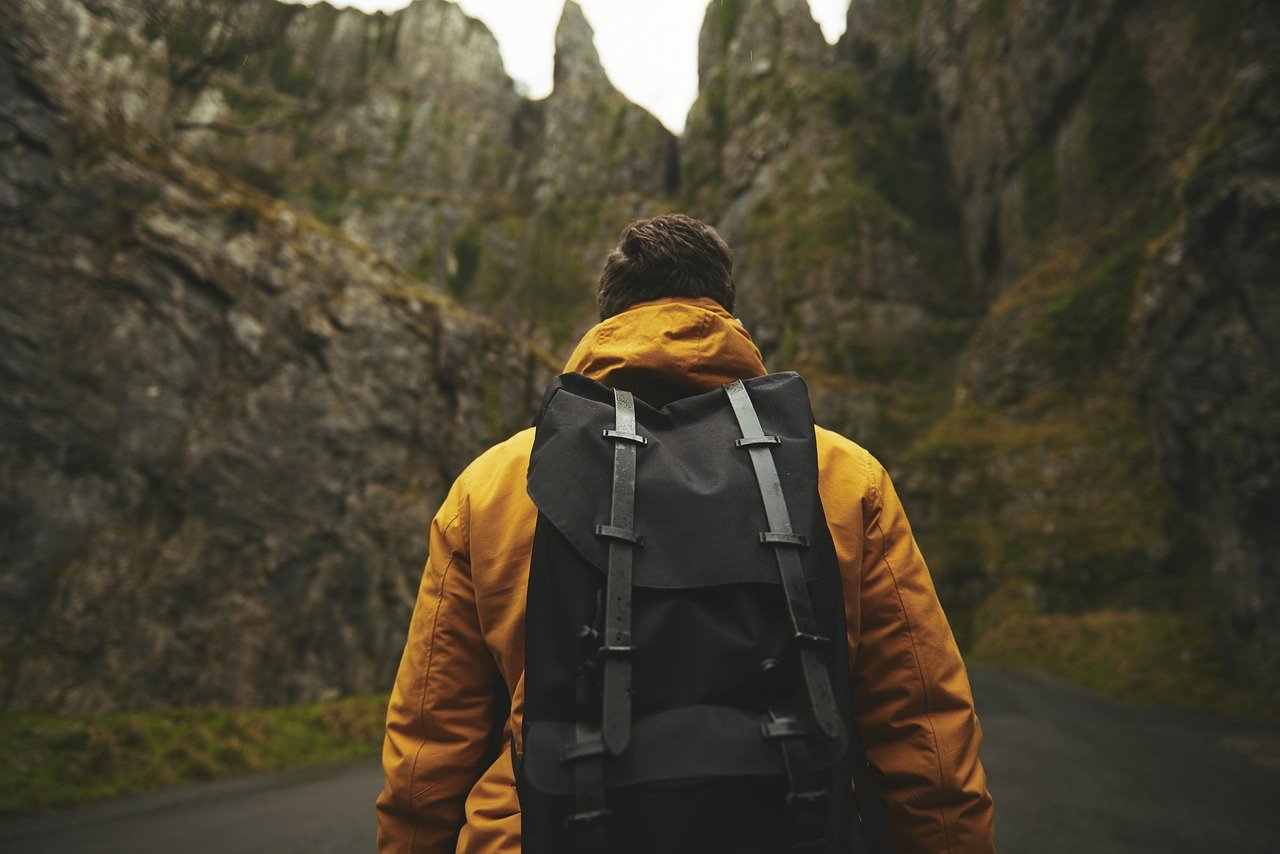
Autumn with its great colors invites you to go hiking. Set out to discover the landscape in a different season. Now that it’s no longer so hot, you might feel more like getting outdoors and going hiking. So that you can already start thinking about what you need, we have put together the most important things for you.
Basic equipment
The equipment, which is useful to go hiking, consists of shoes, a backpack, clothes (trousers, jacket, raincoat, underwear, sweater, hat, gloves, socks), hiking poles, medicines, first aid kit with emergency blanket, hygiene items, food, enough water and orientation aids (map, compass, GPS device).
The equipment should be functional, comfortable, lightweight and durable.
The most important things are certainly good clothes, shoes and enough to drink. If necessary, you can buy more equipment over time or borrow it from a friend.
Here you can find an article about 10 national parks in Europe.
Shoes
The shoes are the be-all and end-all when hiking. If the shoes do not fit well, then hiking is no fun and you will quickly stop. Therefore, it is incredibly important that you take your time when choosing and trying on the shoe.
Depending on the hiking route you want to go, you can vary your choice of shoes. For easy climbs and easy hiking trails, trekking shoes are usually already sufficient, which are soft and comfortable and do not have a high shaft. However, these shoes usually break down a little faster.

If you would like to have a more durable shoe that will allow you to walk difficult, rocky hiking routes, then you should definitely look for a suitable hiking shoe. Hiking shoes have a high shaft to support the ankle and thus protect it from injury. The sole of the shoe is usually a little harder and has a coarser profile than a trekking shoe.
Think about the terrain you like to hike, and then go to a specialty store for advice so that the shoe ultimately fits really well. That way, you can go hiking alone or with friends.
Backpack
In the backpack, you can store your personal equipment for the hike. It should also be adjusted to your body as much as possible, but nowadays you can do this very easily with many different height adjustments of the straps on the backpack itself.
A high-quality backpack is made of polyamide or polyester materials, some of which are waterproof. To protect the backpack from heavy rain, there are special rain covers, which are usually already in the backpack. If your backpack does not have that, a plastic rain poncho will do in a pinch.
The size of the backpack depends on the purpose:
- 10 to 19 liters are used as a simple daytime hiking backpack
- 20 to 29 liters for a hiking weekend
- 30 to 39 liters are suitable for a hiking tour of several days
- 40 to 69 liters are suitable for long treks
- Anything over 70 liters can serve for example for world travel or very long trekking tours

But remember, the more things you take, the more you have to carry, so think carefully about what you really need, especially on longer trips.
Clothing
The main task of clothing is to protect against the weather and support the body in its function. Clothing should be light and suitable.
The easiest way is to have multiple layers of clothing, so you can take off clothes or put on more as needed.
In the following, we will go into more detail about the individual clothing components.
Active laundry
The base layer of clothing, pants and T-shirt, should transport moisture away from the skin so that the body does not cool down in the wind. The clothing should not be too loose. Fast drying material is recommended, which is breathable, like most sports shirts.
It is also highly recommended to always have “emergency laundry” in your backpack, consisting of underwear, socks and T-shirt. This way, you will always have at least one set of fresh, dry clothes with you.
Sweater
This is the second layer. Whether you need a sweater depends on the weather, but especially at lower temperatures or even for emergencies, you should certainly have a warm sweater with you.
Preferably, the sweater is made of lightweight synthetics like fiber fur or fleece, because that retains body heat without making you sweat. Wool or cotton sweaters take much longer to dry and are significantly heavier when wet. They also take up more space in your luggage.
Jacket with hood

A good jacket for hiking keeps out the rain, wind and snow, while also allowing air circulation. This allows moisture to be transported away from the body and body heat to be maintained. A detachable or rollable hood is advantageous, as it also protects the head from wind and precipitation.
Colorful jackets are advantageous because they are easier to see in the snow, heavy rain and rough terrain, if you ever have an accident. Many pockets and zippers for ventilation are also very practical.
Pants
Pants made of synthetic and elastic materials are the best, because they also dry quickly on the body and allow air to circulate. Depending on the weather and intended use, the pants should have fleece and a wind stopper and be waterproof thanks to GoreTex.
Regardless of the weather or the season, it’s recommended to wear pants with long legs as protection against ticks, snakes and plants. The pants can be slightly wider and comfortably cut and have reinforcement at the knees and the buttocks. Deep, functional pockets should be present in any hiking pants.
Headgear
In winter, the cap should go over the ears to protect against the cold. Winter hats can be made of wool or fleece, and if necessary, you can still pull the hood of the jacket over it.
In summer, hats should protect the face and head from excessive sunlight. A hat made of lightweight materials with a wide brim usually does the trick.
Socks

Many climbers wear two pairs of socks. A pair of thin cotton socks and over them a pair of thicker wool or cotton socks. But also partly synthetic socks can be very comfortable, especially in summer, because they transport moisture away from the foot and thanks to this, you hardly have sweaty feet. Try out what works best for you.
Gloves
Gloves are highly recommended for slightly colder temperatures, as cold fingertips are uncomfortable and you also won’t be able to hold on as well with your hands if they are clammy and damp. Depending on the cold, it’s good to wear two pairs of gloves, one thin synthetic pair and one pair of thicker waterproof gloves.
Hiking poles
Many hikers use hiking poles. The main function of the poles is to reduce the load on the legs (hips, ankles and especially knees) by shifting part of the total weight to the upper body and arms. They can be used for both ascents and descents, always in the direction of the body’s fall. They are especially popular for long descents.
Accessories
These accessories are not mandatory, but depending on the route and weather, they can be very helpful to orient yourself and find the right way.
This includes a GPS device, compass, map and an altimeter.

Now hopefully, the wanderlust has grabbed you and you are already looking for routes that you would like to hike. We hope you have a lot of fun!


